Picking between the different types of skylights is one of those decisions that sounds simple until you are actually standing in a hot Queensland room wondering why it never seems to get any natural light.
We talk to Gold Coast homeowners about this a lot at SEQ Plumbing & Roofing, and the honest answer is that there is no single right option for every home.
It depends on your roof, your ceiling space, your room layout, and what problem you are actually trying to solve. If you are already thinking about roof upgrades or natural light improvements, our roofing services on the Gold Coast can walk you through the options before any cutting starts.
What we do know is this, a skylight should make your home more comfortable, not less. Get the size or glazing wrong and you will be dealing with glare, heat build-up, or a leaking roof every storm season.
That is not a renovation win. The right choice depends on where it is going, how much daylight you actually want, and whether airflow matters as much as light in that space.
What are the main types of skylights?
The best skylights are not always the biggest or the most expensive. In Queensland homes, the right option is usually the one that balances daylight, heat control, roof design, and a proper installation that does not give you grief three years later.
Common roof skylight types include:
- Fixed skylights
- Vented skylights
- Tubular skylights
- Electric or remote-controlled skylights
- Domed skylights
- Flat glass skylights
- Double-glazed skylights
Each one has a place. The job is choosing the option that solves your problem without creating a new one.
Fixed skylights
Fixed skylights are sealed units that bring natural light into a room without opening. They are a solid choice for living areas, stairwells, kitchens, and rooms where you want more daylight but ventilation is already handled by windows or fans.
They work well when:
- The room feels dark during the day
- You want a clean, simple roof window option
- The roof space allows a direct and well-flashed installation
For Queensland homes, glazing matters more than most people realise. A fixed skylight with poor glass will pump heat into your home.
Australian home design guidance is clear that oversized or poorly positioned roof glazing adds unwanted solar heat, so sizing these right from the start is not optional.
Vented Skylights
Vented skylights open to let warm air and moisture escape. These are often the better fit for bathrooms, laundries, kitchens, and upper-level rooms where hot air builds up and has nowhere to go.
They work well if you want:
- More natural light
- Better airflow
- Help with humid rooms
- A way to release trapped heat
We always tell homeowners that vented skylights need proper planning around weather exposure and flashing.
Queensland storms test every roof opening. If it is not installed right the first time, you will find out in the first decent downpour.
Tubular Skylights
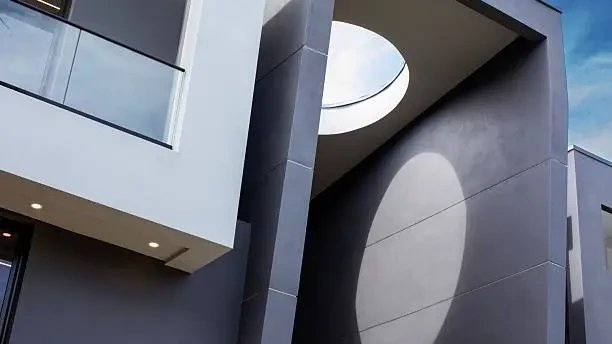
Tubular skylights are one of the most practical types of skylights for Queensland homes with dark internal spaces. Rather than cutting a large opening, they use a small dome on the roof, a reflective tube, and a diffuser on the ceiling to bring daylight into the room below.
They are often the smart call for:
- Hallways
- Bathrooms
- Walk-in robes
- Laundries
- Pantries
- Small internal rooms
Tubular skylights in Queensland homes are popular because they can brighten spaces that simply do not suit a full skylight installation. They also take up far less roof area, which helps with heat gain compared to larger glazed openings.
Electric and remote-controlled skylights
Electric skylights are vented skylights that open and close using a switch, remote, or smart control. Some models include rain sensors, which is genuinely useful when Queensland weather changes with no warning.
These are worth looking at for rooms with high ceilings or skylights that are hard to reach. They cost more than manual options, but if you actually want to use your skylight day-to-day rather than leave it shut because it is too difficult, the cost makes sense. Pair them with good glazing and proper roof ventilation planning for the best result.
Domed vs flat glass skylights
Domed skylights usually use acrylic or polycarbonate. They can be durable and practical for certain roof types, but they do not always suit the look of a modern home.
Flat glass skylights tend to give a cleaner finish and suit contemporary roofing styles. They are also more widely available with glazing options that manage heat, glare, and UV exposure properly.
When comparing these, we look at the roof pitch, sun and storm exposure, the look of the home, heat and glare control, cleaning access, and how the skylight will be flashed into the roof. All of that matters.
What about double-glazed skylights?
Double-glazed skylights use two layers of glass to improve insulation and comfort. They are often the better option for homeowners who want natural light without as much heat transfer through the roof.
Glazing makes a real difference in Queensland. National home energy guidance shows that better glazing choices can cut unwanted heat gain and improve day-to-day comfort, which matters when a skylight sits directly under strong Queensland sun. Double glazing costs more upfront, but for bedrooms, living areas, or rooms that already run warm, it often pays off.
Velux skylights Gold Coast homeowners often consider
Velux skylights are a well-known choice for homeowners wanting a premium finish. They are commonly used in living spaces, bathrooms, kitchens, and roof window upgrades where both the look and the function matter.
If you are comparing Velux skylights on the Gold Coast with tubular or fixed options, the right answer really does depend on the room. A hallway may only need a tubular skylight. A main living area may get more from a larger fixed or vented skylight with better glazing. There is no point paying more than you need to.
How to choose a skylight for your home
Before you choose anything, think about the actual result you want from the room. Is it dark? Hot? Humid? Hard to ventilate? Or does it just need a better connection to natural light through the day?
A practical check should cover:
- The room size and ceiling height
- Roof type and roof pitch
- Direction of the sun
- Existing ventilation
- Heat and glare concerns
- Access for maintenance
- Whether roof repairs or maintenance are needed first
That last one matters more than people expect. If your roof is ageing, leaking, or due for inspection, sort that before cutting a new opening. Our
roof maintenance team can check the surrounding roof condition so your skylight installation goes in on a solid base, not a patchwork one.
Our advice for Queensland homes
For most Gold Coast homes, the safest approach is straightforward: choose the smallest skylight that actually solves the lighting problem, use quality glazing or diffuser options, and make sure the roof work is done by trades who know what they are doing.
We generally recommend:
- Tubular skylights for small internal rooms
- Fixed skylights for simple daylight upgrades
- Vented skylights for bathrooms, laundries, and hot spaces
- Electric skylights for hard-to-reach areas
- Double-glazed options for better comfort in living areas and bedrooms
- A roof check before any installation starts
A skylight should feel like a proper improvement to your home, not something you are watching every time it rains.
Need help choosing the right skylight?
If you are looking at skylight installation on the Gold Coast, SEQ Plumbing & Roofing can help you pick an option that suits your roof, your room, and your budget. We give honest advice, do the work properly, and build solutions that are actually right for Queensland conditions.
For clear guidance from a local team that handles roofing and plumbing the right way, contact SEQ Plumbing & Roofing to request a free quote, or learn more about our trusted local team.
FAQs about types of skylights
The right skylight depends on the room. Tubular skylights suit hallways, laundries, and bathrooms well, while fixed or vented skylights tend to work better in living areas, kitchens, and bedrooms. There is no one-size answer.
Yes, and we recommend them often. They work particularly well in dark internal rooms where a full skylight is not practical. They bring in natural light while using less roof area, which also helps with heat.
They can, if they are too large, poorly positioned, or fitted with the wrong glazing. Good sizing, quality glass, blinds, and a proper installation go a long way toward managing heat effectively.
A fixed skylight brings in light but does not open. A vented skylight opens to allow airflow, which is useful in bathrooms, laundries, and rooms where hot air tends to build up with no way out.
Yes, always. A skylight should go into a sound section of roof. If there are signs of leaks, rust, cracked tiles, or worn flashing nearby, those need to be sorted first rather than built around.
